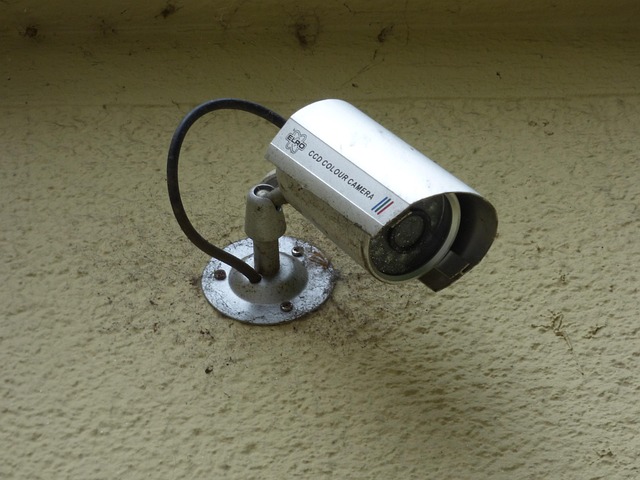
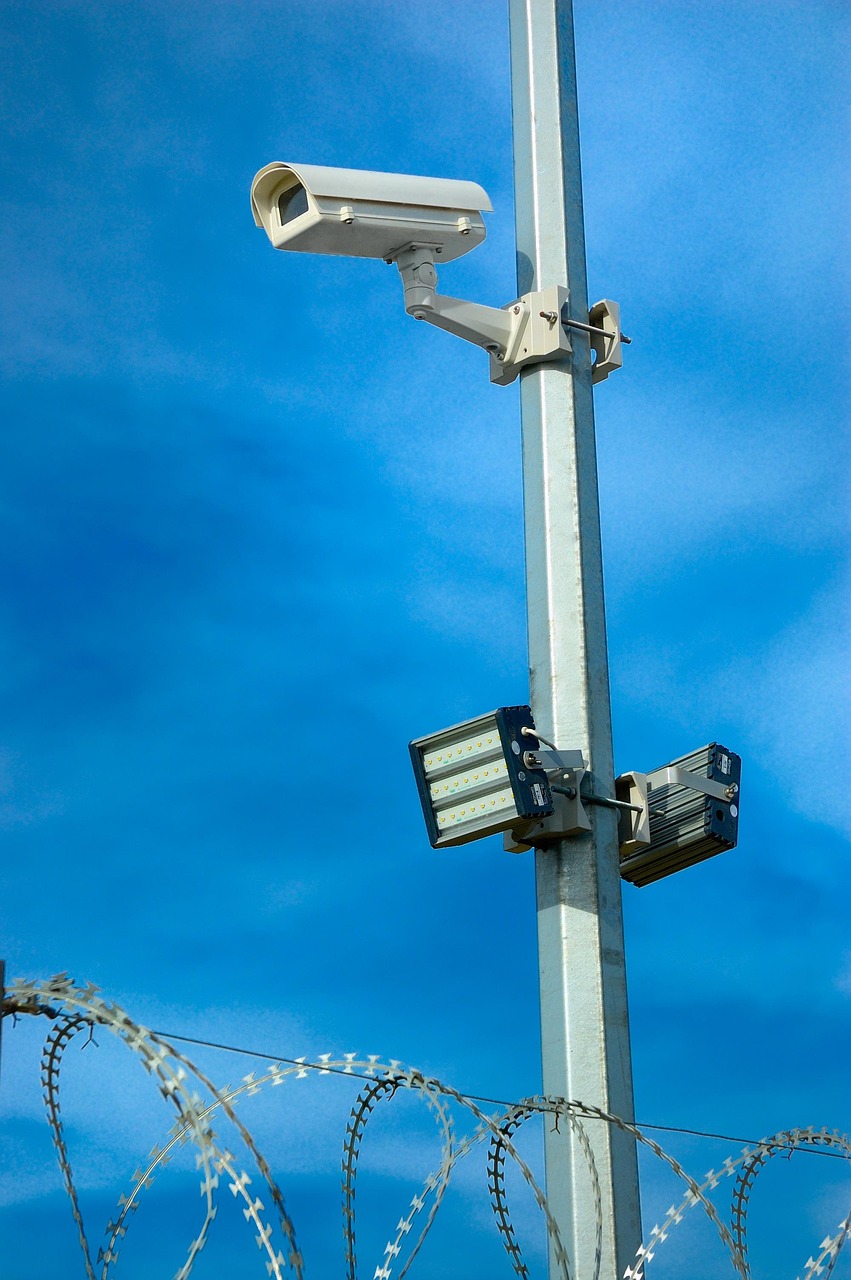
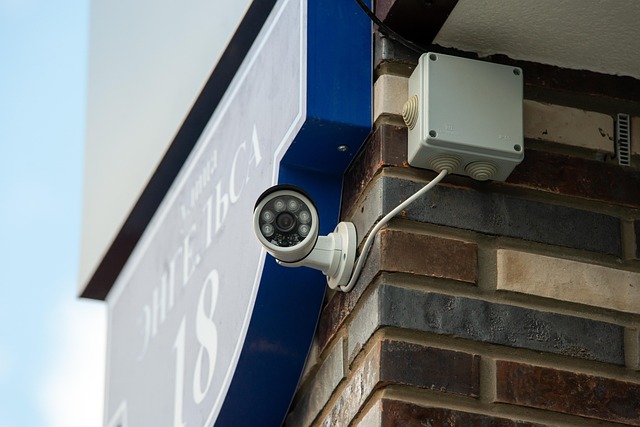
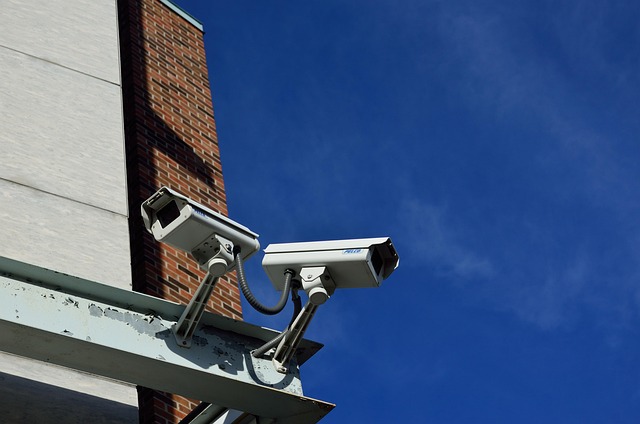
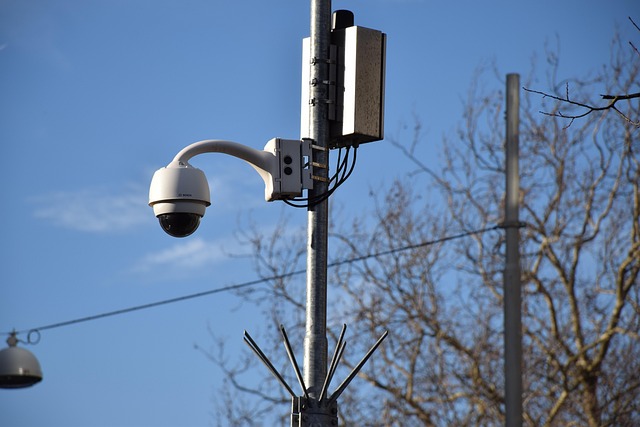
Installing a home security camera is an effective way to enhance the safety of your property. Many modern models are wireless, weather-resistant and battery-powered, allowing quick installation with just a couple of screws. Their versatility means they can be placed almost anywhere – but that doesn’t mean every location is appropriate. While the flexibility of home cameras is convenient, there are several places where they simply shouldn’t be installed. Bathrooms and bedrooms are obvious no-go zones, and cameras must never be fitted in shared indoor spaces without the consent of everyone living there.
++ The peregrine falcon: nature’s fastest killer in the sky
It is also important to consider the placement of outdoor cameras. Positioning one to monitor your garden, driveway or front gate can help deter trespassers and car thieves, but you must remain mindful of what else your camera may capture. Most of this comes down to common sense, but many devices also include additional privacy tools, such as the option to block parts of the image or set motion-detection zones so recording only activates within specific areas.
The worst places to install home security cameras
1. Anywhere overlooking property that isn’t yours
Cameras should never be installed with the intention of monitoring someone else’s land. This is straightforward if your home is relatively isolated, but in built-up areas extra care is needed. Cameras must not capture neighbouring gardens, nor should they have a clear view through a neighbour’s windows or doors.
Make sure your camera is angled solely towards your own property. If this is unavoidable – for example, with a video doorbell pointing towards a shared road or parking area – use privacy zones within the camera’s app. These digital black-out blocks obscure parts of the view to protect the privacy of others.
2. Bathrooms and toilets
This should go without saying. Indoor cameras may be useful when aimed at entry points or areas where valuables are stored, but they must never be placed in bathrooms or anywhere that could inadvertently capture bathroom activity through doors or windows.
++ NHS warns of severe winter flu season as cases continue to climb
3. Bedrooms
Security cameras should not be installed in adult bedrooms. An exception is a nursery or child’s room, where baby monitors or cameras are used for safeguarding. As the child is not considered a third party within the home, UK data protection rules do not apply in this case.
4. Shared indoor areas
Installing a camera in a hallway or shared communal area within your own home is fine. However, in a house-share, you must have full consent from all other residents. The individual who owns the camera is responsible for informing others, managing footage securely, and ensuring recordings are deleted when no longer required.
Cameras in shared spaces may be appropriate to monitor bicycles, valuables or entryways – but transparency is essential.
5. Within easy reach
Outdoor cameras are usually fixed with basic screws, meaning they can be removed quickly by someone with a screwdriver. If the device stores footage locally, a thief could effectively steal the evidence.
For this reason, cameras should be mounted high up and out of reach. An ideal spot is near an upstairs window, allowing you to bring the camera inside for battery charging while keeping it safe from interference.
6. Close to a window ledge
Mounting a camera near an upstairs window can be useful, but avoid placing it directly beside a ledge. When positioned too close to nearby objects, infrared night-vision can be disrupted. The infrared light bounces off the ledge, causing the footage to become overexposed and washing out the rest of the scene. Ensure the camera has a clear, unobstructed line of sight.
Most modern home security cameras include privacy functions that limit what they can see or when they record. Using these features not only protects others’ privacy but also helps ensure your camera use aligns with best practice and existing guidance.

