


Lithuania has announced a state of emergency following a surge in smuggler balloons launched from Belarus, in what officials describe as part of a wider Russian-backed hybrid warfare strategy. The emergency order grants additional powers to the military, police and border guards, enabling them to conduct vehicle searches, verify identification documents and restrict movement in sensitive areas as they attempt to track down those operating the balloons.
++ The peregrine falcon: nature’s fastest killer in the sky
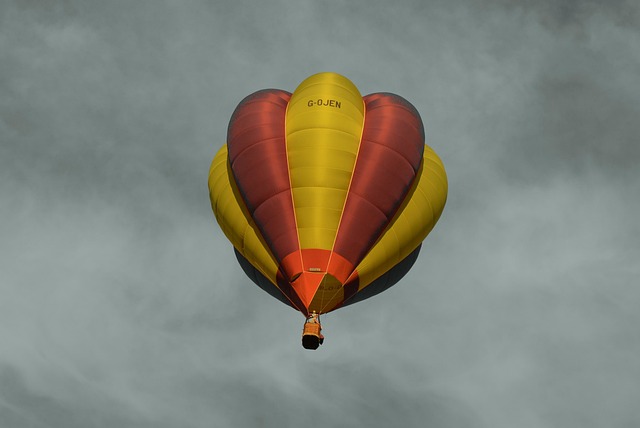
In recent weeks, several hundred balloons have been launched, forcing Vilnius Airport to suspend operations on at least nine occasions and causing significant disruption to air travel across the country. According to Lithuanian authorities, the balloons are typically fitted with crates containing illicit cigarettes, released from Belarus and retrieved once they drift into Lithuania, where the goods are passed into the black market.
However, senior officials have warned that the operation extends beyond smuggling. They believe the launches may be intended to identify weaknesses in Lithuania’s air-defence systems, noting that the balloons could theoretically be equipped with surveillance equipment or incendiary devices.
Vladislav Kondratovic, Lithuania’s interior minister, stressed that the measures were not solely a reaction to aviation disruptions. “The state of emergency is being introduced due to concerns not only for civil aviation but for national security,” he said on Tuesday.
Belarus, led by long-standing authoritarian president Alexander Lukashenko, has rejected responsibility and instead accused Lithuania of deploying drones to drop “extremist materials” into Belarus – an allegation Lithuania strongly denies. Officials in Vilnius have previously described the balloon launches as a “hybrid attack” orchestrated with approval from Minsk and Moscow.
Under the emergency arrangement, Lithuanian authorities will have the ability to close border zones, stop vehicles, check documents, and detain individuals who refuse to comply. The government emphasised that the measures would be “precisely targeted” and should not lead to widespread disruption for the public.
Lithuania imposed a similar state of emergency in 2021, when Belarus was accused of funnelling migrants across the border in an attempt to destabilise the country. Experts believe the balloon-smuggling network may be acting as cover for a broader effort by Belarus and Russia to assess Lithuania’s air-defence responsiveness, particularly amid increasing speculation about potential conflict involving NATO.
++ NHS warns of severe winter flu season as cases continue to climb
Eitvydas Bajarūnas, Lithuania’s former ambassador to the UK and current Ambassador-at-Large for Hybrid Threats, told The Telegraph last month: “If you are preparing for war, you need to understand Lithuania’s reaction times. These balloons are not military objects, but they test NATO’s air-defence responses. They reveal gaps in Lithuania, in NATO and within the EU.” Another senior Lithuanian official added: “The Belarusian regime is responsible for what we consider to be a hybrid assault aimed at disrupting the operations of our government and society.”

